


What Does VFX Mean? Visual Effects Explained
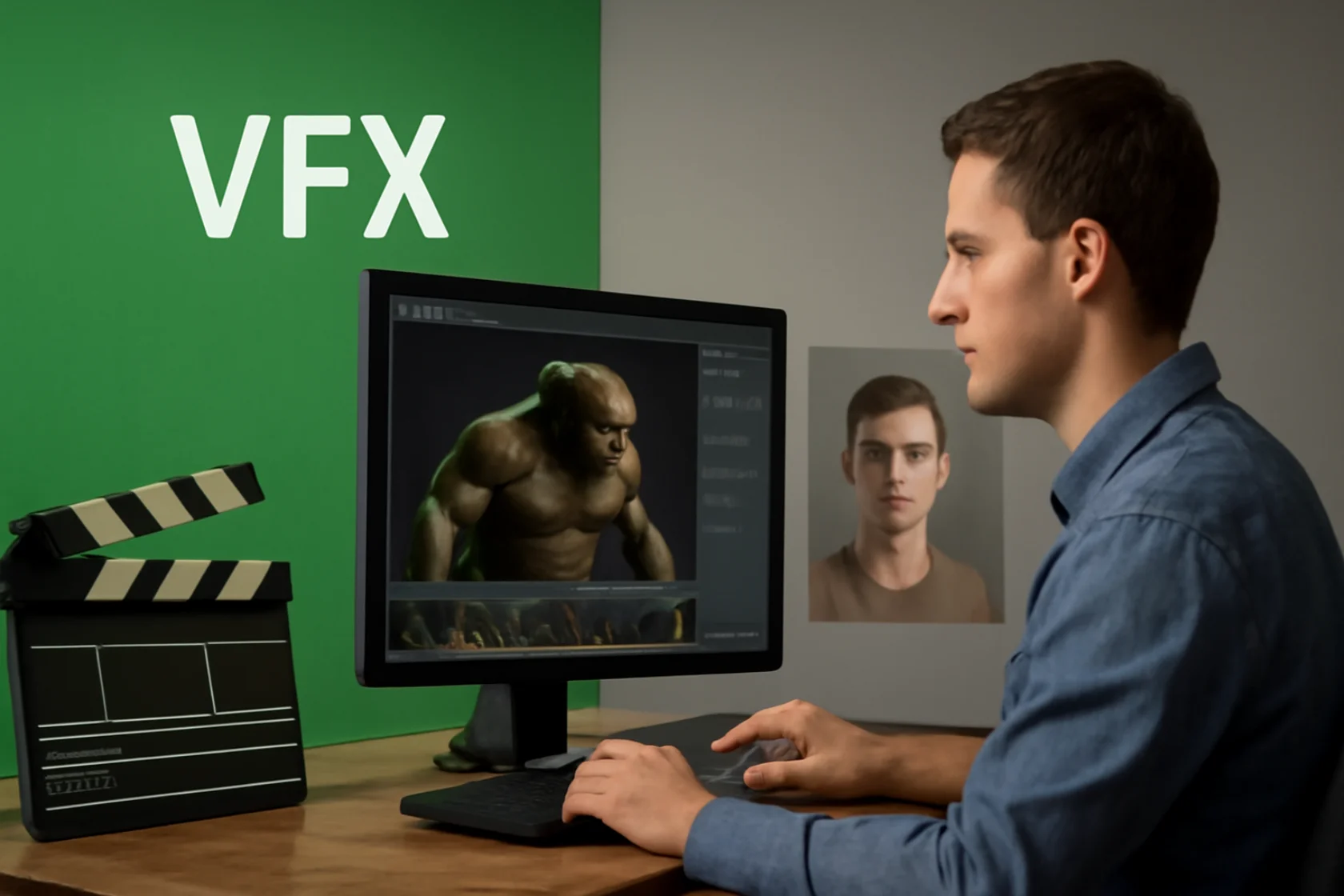
That dragon soaring across medieval skies? The actor who looks 25 instead of 70? None of that was real. That's visual effects doing the heavy lifting.
VFX stands for visual effects. It's imagery created or altered digitally after filming wraps. Filmmakers use it to build worlds that don't exist and show events too dangerous or impossible to capture on camera.
Across the Gulf, these techniques have gone from luxury to standard practice. The global VFX market hit $10.70 billion in 2024 and keeps growing at 6.43% annually, pushed along by streaming platforms and advertising demand.
Commercial production now leans on digital manipulation to deliver content that grabs attention without needing Hollywood-sized budgets.
VFX vs SFX: The Critical Distinction
Special Effects (SFX) happen during filming on set. Real explosions, rain systems, prosthetic makeup. The camera captures these physical elements as they happen.
Visual Effects (VFX) happen afterwards using computers. Green screen replacements, CGI characters, digital environments. Artists add them in post-production.
Mad Max: Fury Road gets called "all-practical" but used extensive digital work alongside physical stunts. Good productions blend both. Which raises a question worth asking: how do you figure out when to choose one over the other?
Core VFX Techniques
CGI (Computer-Generated Imagery) builds digital assets from nothing. Characters like Thanos or environments in Avatar start as 3D models. The VFX vs CGI distinction matters when you're planning workflows. CGI is one tool in a much bigger toolkit.
Compositing layers different elements into one shot. Actors perform against green screens, then end up in completely different locations. The process removes the solid colour and drops in new backgrounds.
Motion Capture records human movement and maps it onto digital characters. Andy Serkis' performance as Gollum captured his expressions, then translated that into the CG character.
Matte Painting creates digital backgrounds or stretches physical sets. That cityscape through the window? Usually a digital painting composited into the shot.
Simulation Effects generate fire, water, smoke. These follow real-world physics but get created digitally, which makes them safer and easier to control.
When Brands Choose Digital Over Practical
Location limitations drive decisions. Can't shoot in Iceland? Film locally and composite in Icelandic landscapes. Product launching soon? Build a 3D model now. At Wild Camel, we regularly handle these scenarios for clients who need globally recognisable locations without travel logistics, blending local production efficiency with international-quality results.
Safety and Budget Considerations
Safety's another big one. Explosions, crashes, dangerous environments. All manageable digitally without putting crew at risk. Insurance costs drop and the results usually look more dramatic anyway.
Budget surprises clients sometimes. Removing unwanted objects, swapping screens, or cleaning backgrounds often runs cheaper than elaborate practical solutions. Digital set extensions beat flying crew to remote locations, especially once you factor in accommodation and equipment transport.
Then there are impossible scenarios. Architecture that hasn't been built yet. Products in places they can't physically go. Stuff that breaks the laws of physics. Digital techniques handle these routinely, which is exactly how VFX is transforming advertising around here.
Commercial Applications
Real-World VFX Use Cases
Product visualisation creates shots that shouldn't exist. Car commercials showing vehicles in restricted locations often use CGI vehicles dropped into photographed environments. Luxury brands show products in pristine desert landscapes or futuristic cityscapes that would be a nightmare to access with physical units.
Architectural visualisation brings properties to life before they're built. Real estate marketing uses digital studios for tours of developments that won't be finished for years. This has become crucial across the Emirates' rapid development scene.
Corporate content uses subtle techniques constantly. Screen replacements, background cleanup, logo additions. If viewers don't notice, you did it right.
Planning Timeline: When to Involve VFX
Getting decent results means thinking ahead before the cameras roll. VFX supervisors should be in pre-production meetings to flag which shots need special handling. This prevents those expensive reshoot situations nobody wants.
Technical Requirements for the Set
Green screen shoots need decent lighting. Uneven illumination creates a colour spill. Three-point lighting setups cut post-production time nearly in half.
Tracking markers help match camera movement. Reference photography captures the lighting and perspective info artists need later. Chrome balls, colour charts, multiple angles. Skip this and you'll regret it in post.
What a lot of brands miss: bringing VFX specialists into concept development, not just execution, opens up creative options you probably haven't thought about. That "impossible" shot you want? There's likely a practical way to pull it off.
Essential Software
After Effects handles most commercial compositing work. It's the industry standard for motion graphics. Monthly subscription runs about AED 85.
DaVinci Resolve bundles Fusion for digital work with colour grading tools. One software handling multiple jobs, with a solid free version available.
Blender offers professional-grade 3D tools for free. Getting more popular with independent creators.
Unreal Engine jumped from gaming into film production. Directors see final results during filming instead of guessing what it'll look like.
Technology Evolution
AI automation handles tasks that used to eat up days. Rotoscoping and object removal that took 40+ hours now wraps up in under 10, which frees artists for the decisions that actually need human judgment.
Virtual Production and Real-Time Tools
Virtual production with LED volumes (like they used in The Mandalorian) lets directors see final results while filming. Real-time compositing gives instant feedback on lighting and framing.
Neural networks sharpen resolution, strip out noise, fill in missing frames. Stuff that seemed like science fiction three years back now comes standard in consumer software.
This means smaller teams pull off results that used to need facility-scale resources. Regional production houses compete on creative vision instead of just infrastructure, which works out well for brands wanting sophisticated work without international price tags.
The Bottom Line
Digital manipulation went from a luxury item to a basic necessity. Brands fighting for attention need production value matching what audiences expect from high-budget entertainment.
The real question isn't whether to use these techniques. It's how to use them strategically. When you do it right, viewers don't notice the effects. They just remember your content.
Ready to explore what VFX can do for your next project? Get in touch with our team and let's talk about turning your concept into reality.

WILD CAMEL HYPERMEDIA
Dubai, United Arab Emirates


Social
.svg)
.svg)


.svg)
.svg)
.svg)
.svg)
.svg)
.svg)
.svg)
.svg)